

Breathe better every day
Comfort begins with the air you breathe.
Fresh air in every room
Fresh air has a powerful impact on the way a home feels. Modern ventilation systems ensure a continuous flow of clean air, improving comfort while helping to maintain a healthier indoor environment.By controlling humidity and supporting natural air circulation, they also help protect interiors from moisture, mould, and long-term damage.
Discover the benefits of Schüco Airflow
Healthy indoor balance
A comfortable home starts with the right indoor climate. Maintaining balanced humidity and a pleasant temperature helps create healthier living spaces while protecting your interiors from excess moisture, condensation, and dry air.
Fresh air more energy
Clean indoor air contributes to better focus, greater comfort, and overall wellbeing. Continuous ventilation reduces stale air and supports a fresher environment, helping you feel more energised throughout the day.
Continuous air renewal
Regular air exchange is essential for a healthy and energy-efficient home. Modern ventilation systems continuously replace stale indoor air with fresh outdoor air while recovering heat, ensuring year-round comfort without unnecessary energy loss.
Intelligent ventilation
Smart ventilation systems work automatically in the background to maintain optimal air quality and humidity levels. By improving comfort, reducing energy consumption, and protecting your home from moisture, they make everyday living healthier, easier, and more efficient.
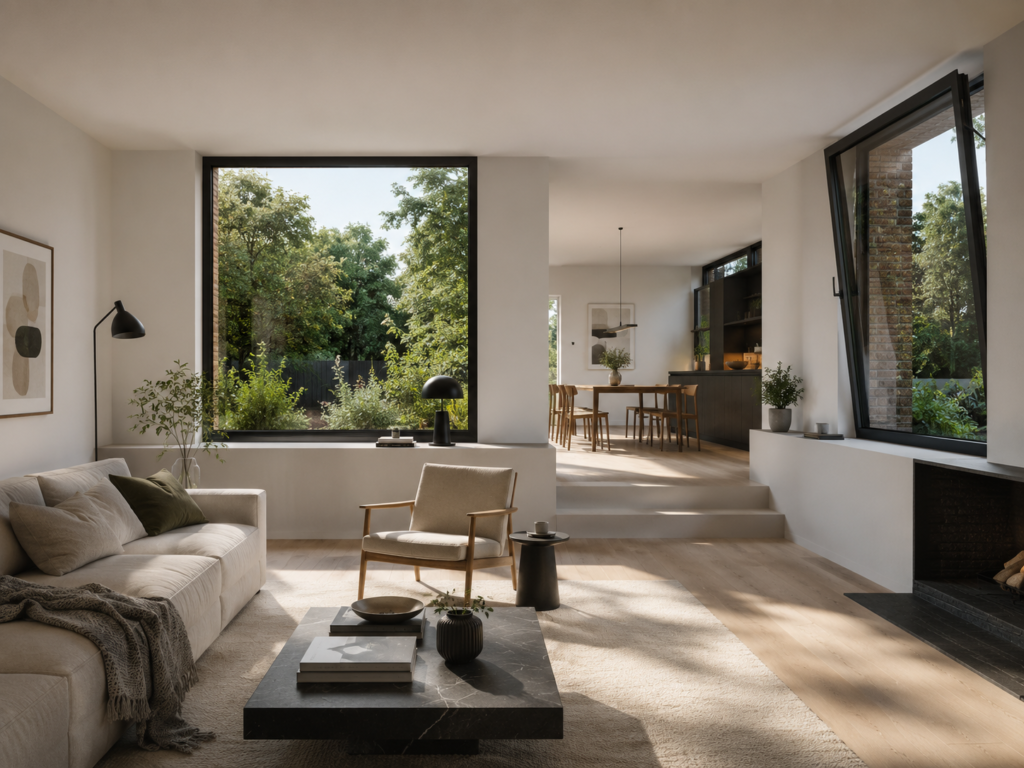
Secure ventilation day and night
Fresh air should never come at the expense of your home’s security. Advanced ventilation systems allow windows to remain slightly open, providing a continuous flow of fresh air while maintaining a high level of protection against unwanted access.
Unlike traditional tilted windows, this intelligent ventilation solution improves indoor air quality without compromising safety. You can enjoy natural airflow, reduced humidity, and greater peace of mind—even when you’re away from home.
Designed with advanced security technology, these systems combine everyday comfort with reliable protection, creating a healthier and safer living environment.
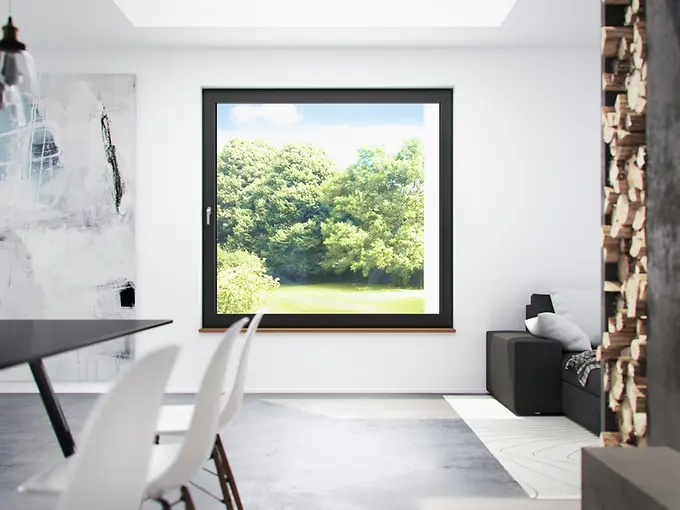
Mechanical ventilation
Mechanical ventilation: Special ventilation units in the window enable a controlled exchange of air, even when the window is closed. This helps keep the air in the room healthy and prevents the growth of mould. An option with additional sound reduction is also available.
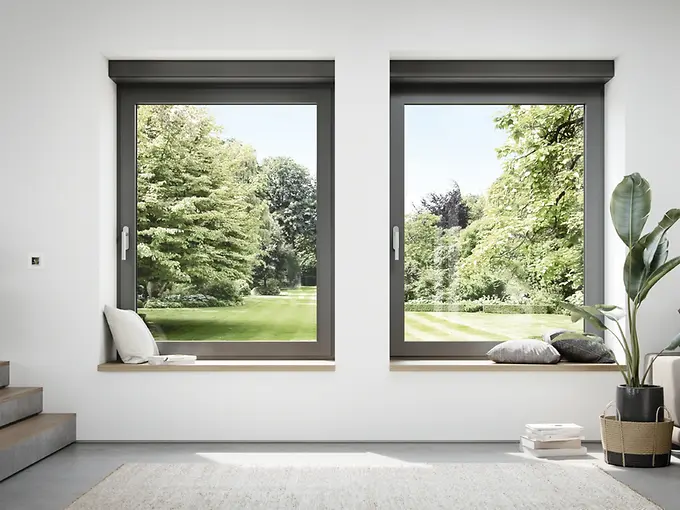
Automated ventilation
With automated, window-integrated ventilation systems, your windows open and close automatically and are controlled by a switch, via an app or using a smart home system. The option with heat recovery offers even greater comfort, as it replaces used air with fresh air without losing any heat. Your home remains comfortable, energy efficient and healthy, even when the window is closed.
What is the difference between centralised and decentralised domestic ventilation?
Centralised domestic ventilation supplies the entire home by means of a central unit and a ventilation duct system. Decentralised domestic ventilation, on the other hand, operates on a room-by-room basis or directly at the window and usually does not require a complex ventilation duct network. In private residential construction, this is particularly relevant when individual rooms need to be ventilated selectively or when solutions need to be integrated more easily into newbuilds and renovations. In this case, Schüco uses decentralised, window-integrated ventilation solutions which can be tailored to suit various living situations. This ensures a supply of fresh air where it is needed, without unnecessarily compromising on living comfort or design freedom.
Can a ventilation unit be integrated into a smart home system?
Yes, a modern ventilation unit can be seamlessly integrated into a smart home system when the controls, sensors, and window technology work together intelligently. This networking means that windows can provide ventilation on a timer, close automatically if it starts to rain or interact with other comfort features. All the automation components are efficiency connected by means of a central Schüco control system and can be easily controlled via an app. This not only increases daily user comfort, but also significantly helps to optimise the energy efficiency of the building through demand-driven ventilation. At the same time, sensor-controlled monitoring ensures a consistently healthy indoor climate and protects the existing building from moisture damage.
What is DIN 1949-6?
DIN 1946-6 forms the basis for the ventilation concept in residential buildings and is relevant whenever necessary air exchange needs to be incorporated into the plans for the house. This plays an important role, especially in sealed building envelopes, as moisture protection, mould prevention and a healthy indoor climate need to be considered as a whole. In residential construction, this standard helps us to see ventilation not only as a matter of habit, but as an integral part of the planning process. It is therefore a key orientation framework for windows, window-integrated ventilation and automated solutions.
Which ventilation systems can be retrofitted in existing buildings?
In existing buildings, decentralised, window-integrated ventilation solutions are particularly suitable as they are comparatively easy to retrofit in living spaces. These systems reliably ensure a controlled air exchange and prevent unpleasant draughts and moisture damage. For the most demanding energy efficiency requirements, innovative solutions provide high-performance ventilation directly within the window unit, including effective heat recovery. Schüco offers solutions such as VentoFrame and VentoAir+ for controlled air exchange without draughts, as well as VentoTherm Twist for window-integrated ventilation with heat recovery. Such systems noticeably improve the indoor climate without the need to install a centralised system throughout the entire building. The choice of the appropriate model depends on the building’s structural conditions, the desired level of user convenience and the individual ventilation concept.